Audiofy: Revolutionizing Interactive Knowledge Exploration with LangChain and OpenAI
In today’s fast-paced digital age, accessing and managing information effectively has become essential. Introducing Audiofy, an innovative application designed to bridge the gap between artificial intelligence and user-centric knowledge retrieval. As part of my professional journey, I had the privilege to work on Audiofy—a long-term project developed using cutting-edge technologies such as Next.js, TailwindCSS, Node.js, and Python integrated with LangChain and OpenAI.
The Problem
Before Audiofy, getting a precise answer buried inside a lengthy PDF, article, or hours-long video meant manually skimming through the material. General-purpose AI chatbots could summarize content, but they couldn’t reliably ground their answers in a specific document a user provided, and they gave no way to trace an answer back to where it actually came from. Our users needed a tool that treated their own content as the source of truth, not the model’s general knowledge.
My Approach
I worked on the retrieval layer that makes this possible: ingesting uploaded links, PDFs, books, and videos, then using LangChain to orchestrate retrieval-augmented generation calls to OpenAI’s GPT-3 and GPT-4 models so every answer is grounded in the source material rather than the model’s general knowledge, with references back to the original content. On the infrastructure side, I helped migrate our backend off manually managed VM instances on Firebase Hosting and onto Google Cloud Run, moving us to an autoscaling, pay-per-use architecture that removed the operational overhead of provisioning servers ahead of traffic spikes.
The Outcome
The result is a platform that lets researchers, students, and professionals ask targeted questions across their own documents and get answers with direct references to the source, instead of hoping a generic chatbot got it right. The move to Cloud Run improved our ability to handle traffic spikes without manual intervention and reduced infrastructure response times, and the underlying LangChain pipeline has continued to support Audiofy's growth.
What is Audiofy?
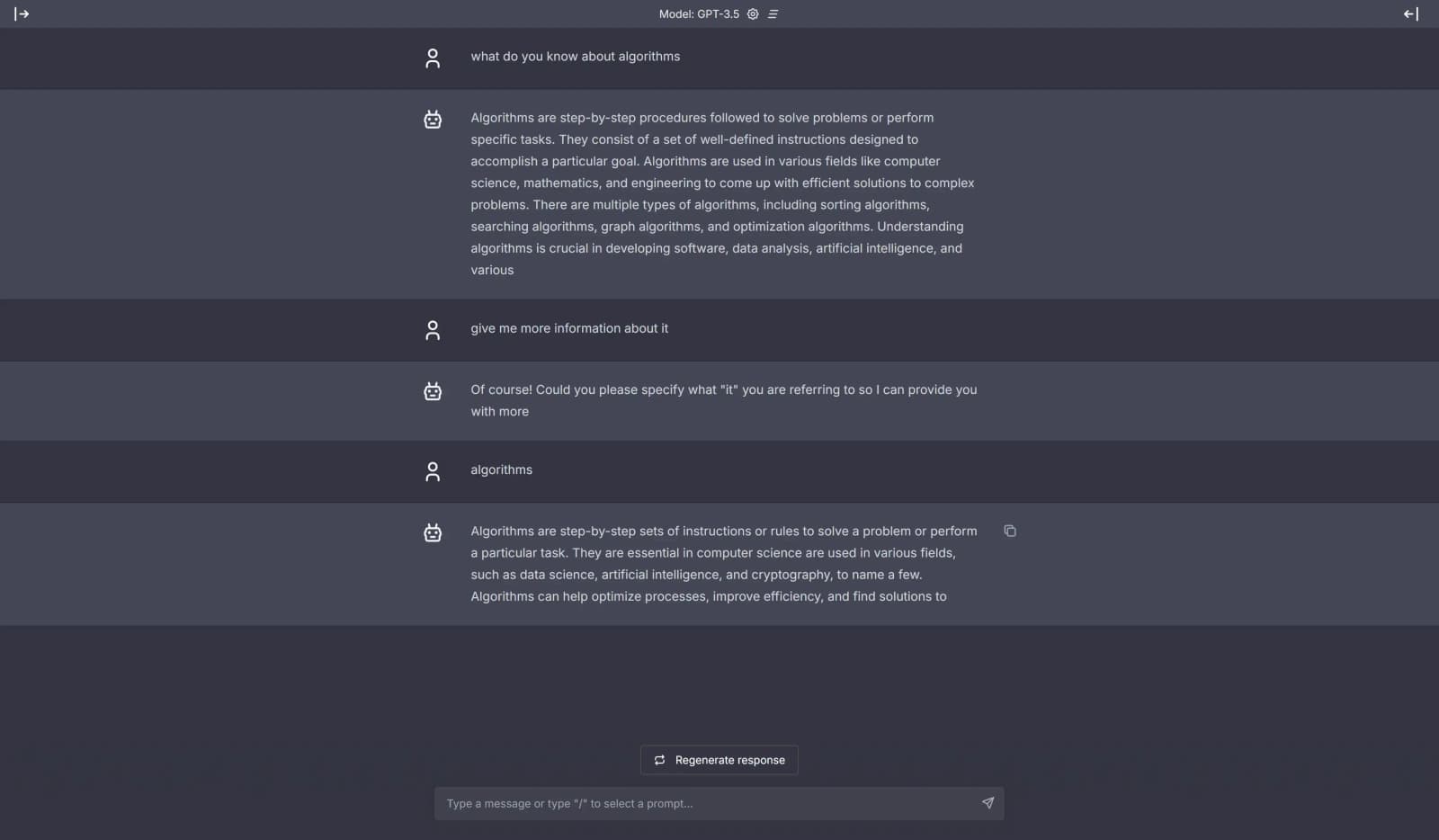
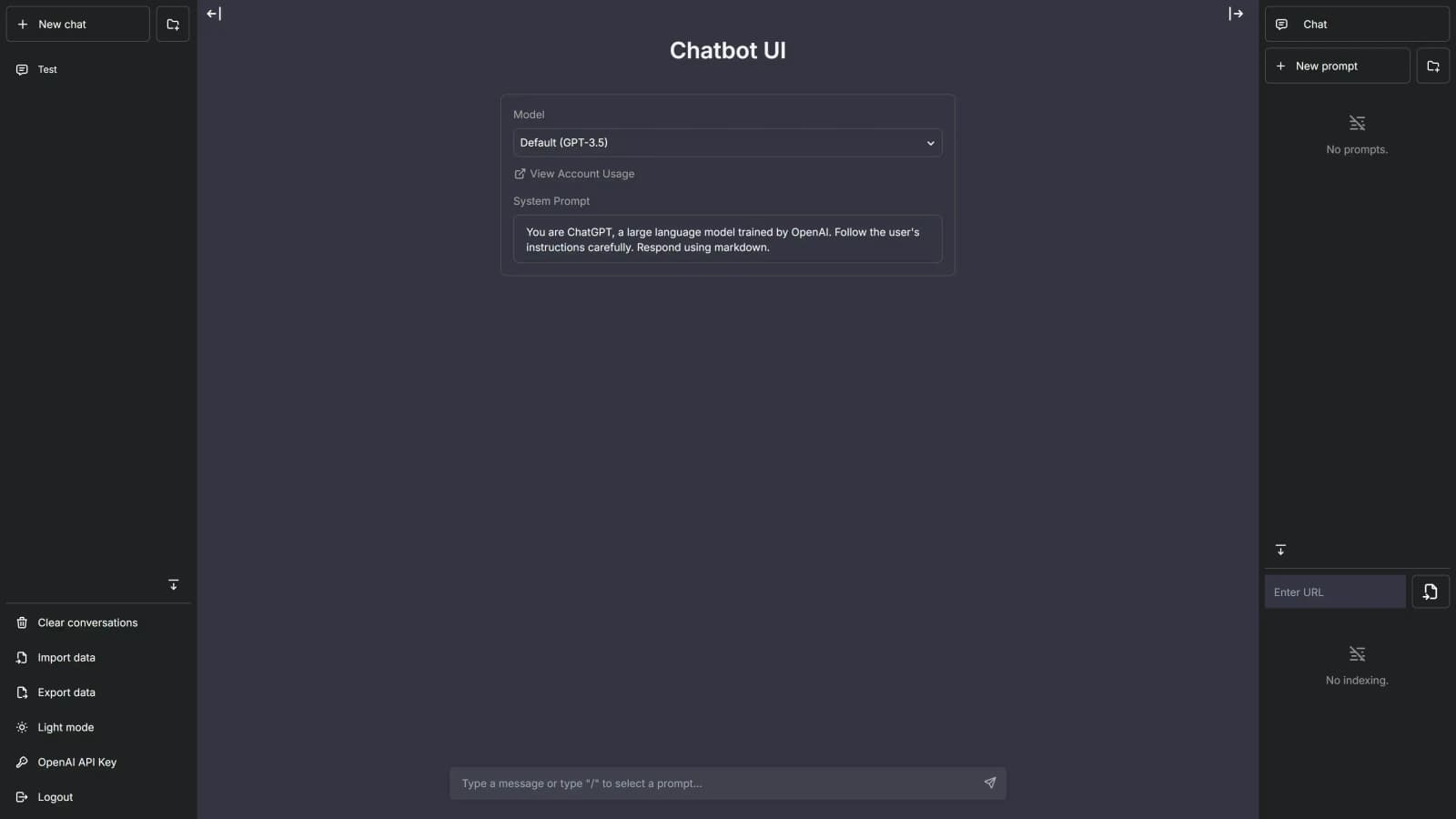
Audiofy is an advanced AI-powered platform that leverages GPT-3 and GPT-4 models to deliver precise, context-driven responses to user queries. But it’s more than just an AI chatbot—it’s a comprehensive solution for individuals and professionals who want to ask questions, store answers, and manage information effortlessly. The app empowers users with:
- Personalized Chat: Ask anything, get accurate answers, and save your interactions for future reference. All chat data is securely stored in Firebase.
- Public Chat: Engage in dynamic discussions with other users, with messages saved in Appwrite, fostering a collaborative learning environment.
End-to-End Encryption for Data Security
Understanding the importance of user privacy, we implemented end-to-end encryption to ensure that no one—not even developers—can access or target users’ data. This robust security framework makes Audiofy a trustworthy companion for handling sensitive information.
Custom Mode: Your Personal Knowledge Assistant
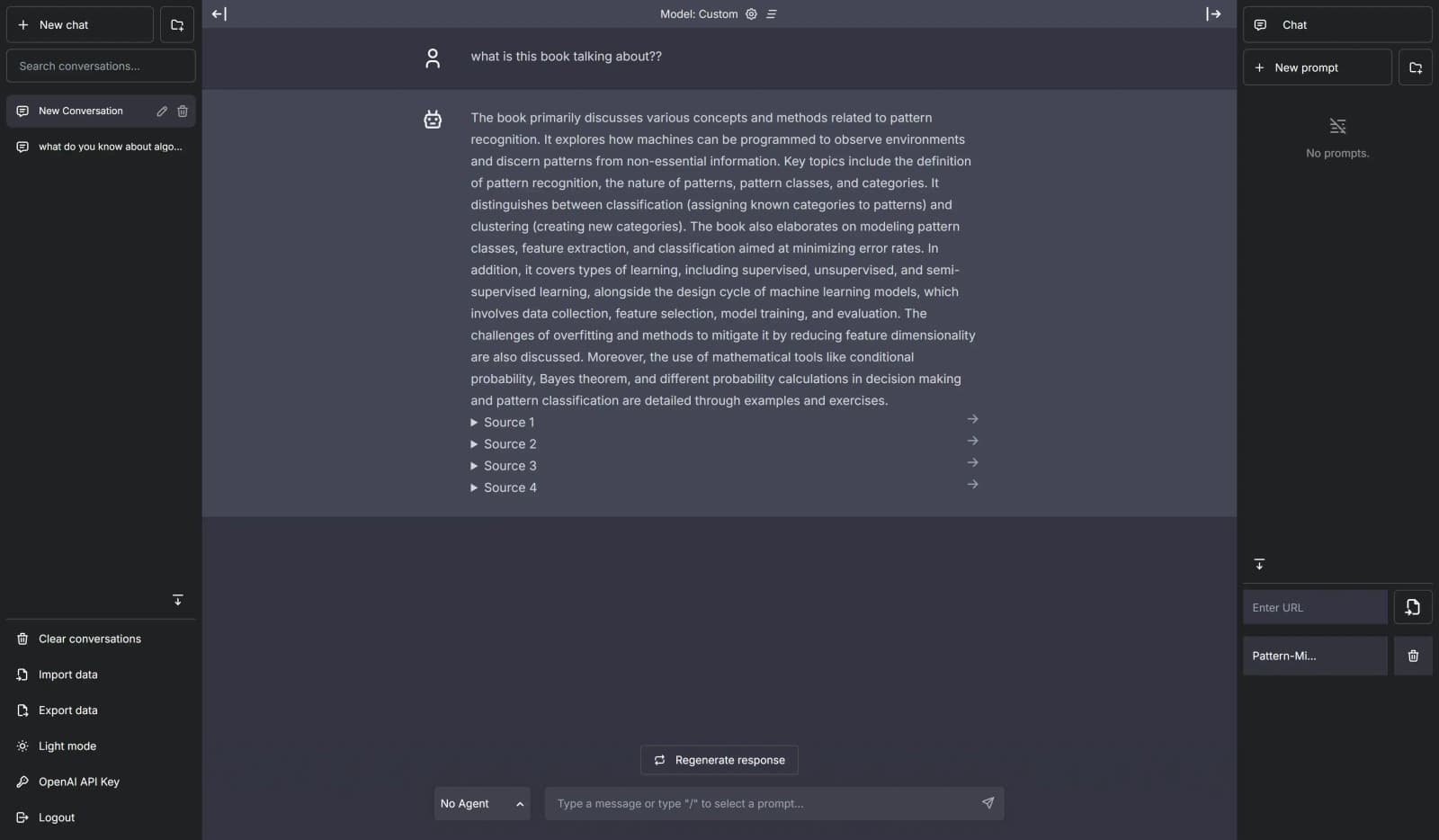
Audiofy’s custom mode is where its true potential shines. Users can:
Upload links to websites, PDFs, books, or videos.
Ask targeted questions about the uploaded content.
Receive detailed, accurate answers with references to the original sources.
This feature enables researchers, students, and professionals to extract insights effortlessly, whether from academic journals, eBooks, or multimedia resources.
Global Accessibility with Multilingual Support
To cater to a diverse user base, Audiofy offers multilingual support, allowing users to interact with the app in their preferred language. This ensures seamless communication and accessibility, making Audiofy an inclusive solution for people across the globe.
Technologies and Hosting Evolution
Developing Audiofy required leveraging a robust tech stack and scalable hosting solutions:
- Frontend: Built with Next.js and TailwindCSS for a responsive and visually appealing user interface.
- Backend: Powered by Node.js and Python, integrating LangChain to process queries and OpenAI for generating responses.
- Databases: Firebase for personal chats and Appwrite for public discussions.
- Encryption: Comprehensive end-to-end encryption for unparalleled data security.
Hosting Evolution
Initially, we hosted Audiofy on Firebase Hosting, utilizing VM instances to manage backend operations. While effective, this approach required considerable manual intervention to maintain scalability and efficiency. As the application grew, we transitioned to Google Cloud Run to achieve:
- Automatic scaling: Seamlessly handling fluctuating workloads with minimal manual oversight.
- Cost-efficiency: Paying only for what we use, optimizing our operational budget.
- Improved deployment: Streamlining updates and releases, ensuring quicker rollouts for new features and improvements.
Additional Features
- Prompt Creation: Users can create custom prompts to inquire about multiple books, articles, or other resources simultaneously.
- Source Tracking: Every answer is accompanied by references, ensuring transparency and trustworthiness.
- Long-Term Vision: As a long-term project, Audiofy continues to evolve with regular updates, focusing on enhancing user experience and expanding functionalities.
- Categories :
Next.js - Node.js - Python - LangChain - OpenAI - Firebase - Appwrite - TailwindCSS - Google Cloud Run - End-to-End Encryption
- Client :
DevNomadz
- Website :
https://chat.audiofy.com
- Location :
Canada